Bark Yarn · Knowledge journal
Bark Yarn Blog | Wool, Fibre and Yarn Guide
Wool yarn, woollen spinning, worsted, sock and sweater yarns; cotton, modal, cashmere and other fibres. Bark Yarn’s referenced guide on bark.com.tr.
Which fibre would you like to explore?
Fibre guide is a starting point; compare our articles on sheep’s wool, cotton and modal. These guides introduce materials; they do not mean that every fibre described is available from Bark’s stock.
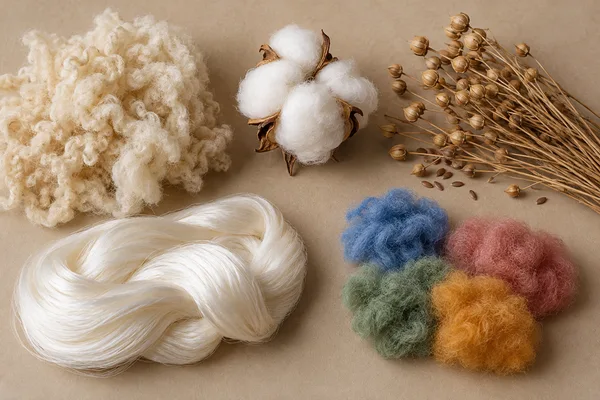
AI-generated illustration; not a photograph of a Bark product or facility.
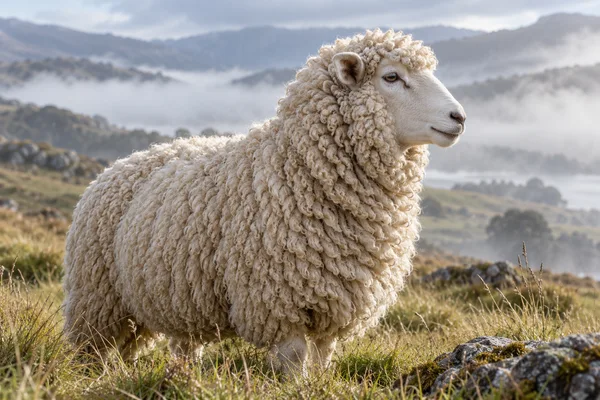
What is wool, and why does it keep us warm?
Sheep’s wool, fibre crimp and insulation: why fineness, knit construction and care conditions must be considered together when choosing wool yarn.
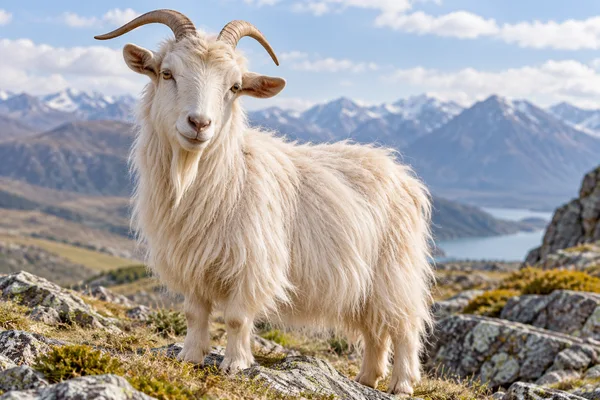
What is cashmere? How it differs from wool
Which animal provides cashmere? Differences between cashmere and sheep’s wool, blend percentages, handle and points to check in knitwear samples.
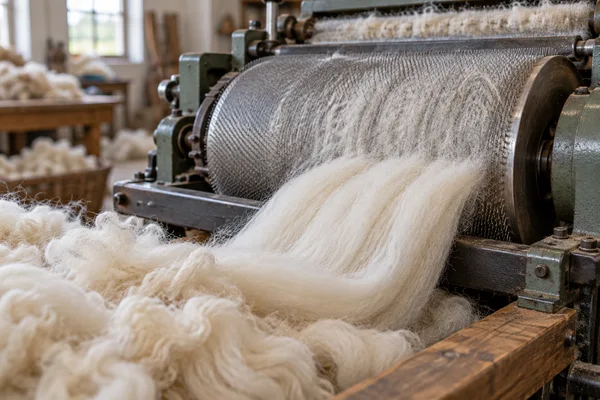
Woollen yarn production: how is woollen-spun yarn made?
Woolen / woollen spinning, also called strayhgarn in Turkey: blending, carding, spinning and sample checks when choosing sweater yarn.
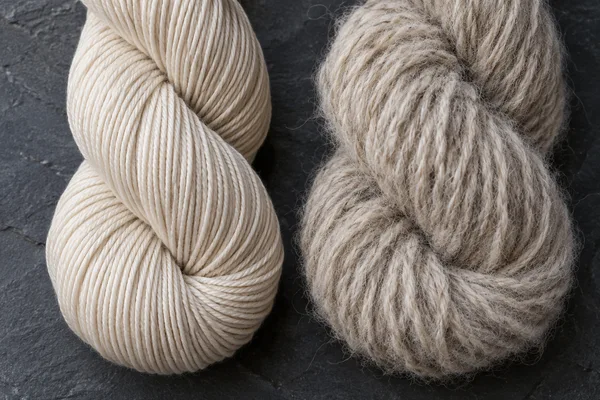
What is worsted yarn? How it differs from woollen yarn
A buying guide comparing fibre preparation, surface appearance and end-use expectations for worsted and woollen yarns.
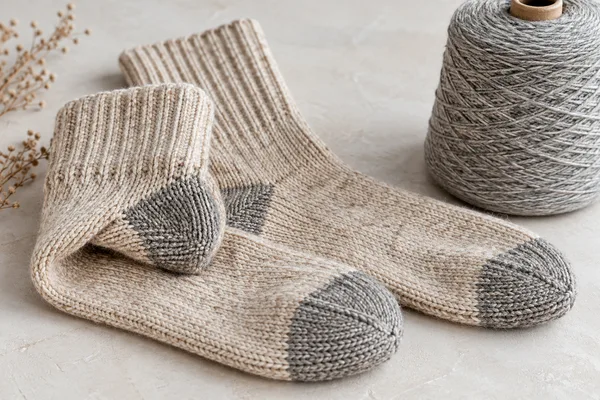
How to choose sock yarn: a guide to wool sock yarns
Consider wool–nylon blends, count, ply, abrasion, dimensions and care expectations together when selecting sock yarn.
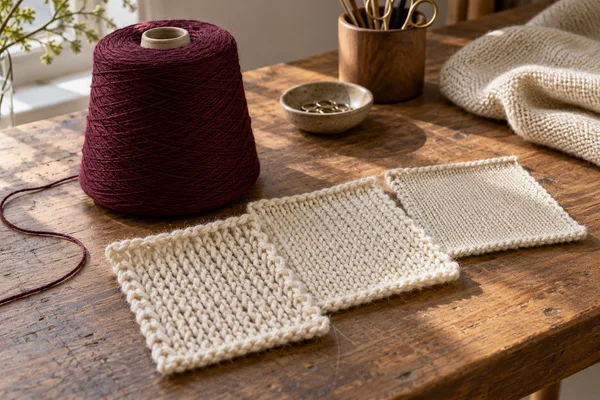
Choosing sweater yarn: a technical guide to wool knitwear
How to specify fibre blend, Nm count, ply, knitted samples, colour and finished-garment expectations for sweater yarn and wholesale knitwear development.
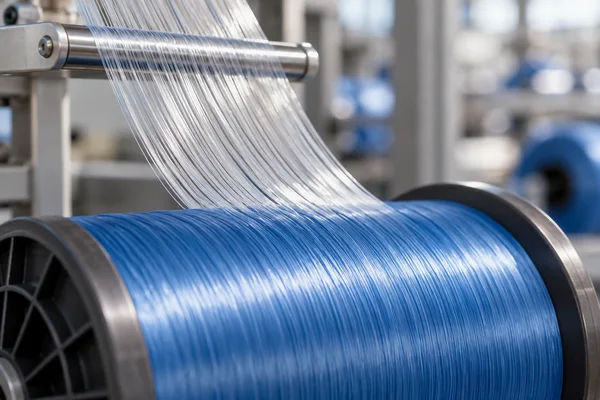
What is polyester fibre? Properties and applications
Polyester, staple fibres and filaments: a guide to assessing moisture, care and performance expectations in blended yarns.
What is acrylic fibre? Its properties in sweater yarn
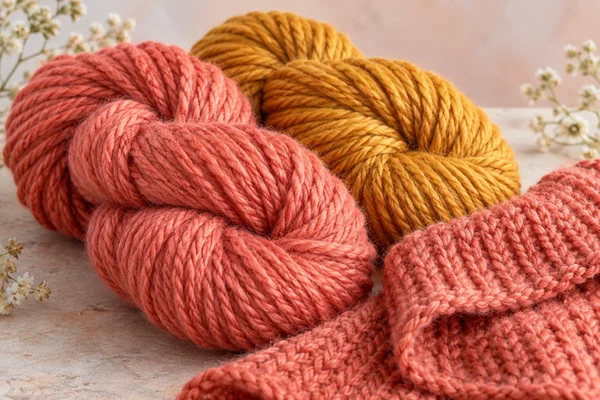
Acrylic fibres and wool–acrylic yarns: handle, colour, bulk and sample checks for knitwear developers.
Cotton fibre properties and yarn selection
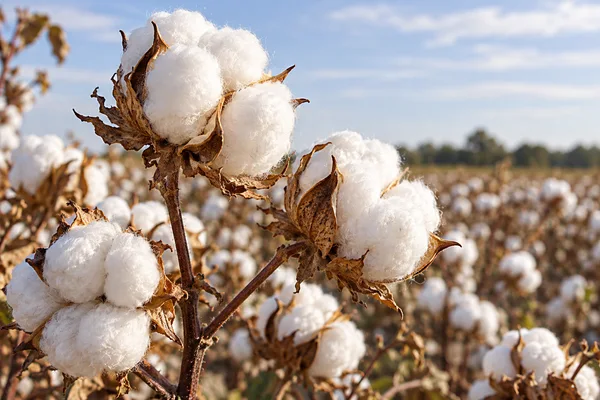
What is cotton? The role of moisture absorption, fibre length and fineness in choosing cotton and wool–cotton blended yarns.
A guide to fibres: natural, cellulosic and synthetic
How do wool, cotton, modal, viscose, lyocell, polyester and other fibres differ? A comparison of the main fibre families for yarn and knitwear selection.
What is modal fibre? Differences from cotton and viscose
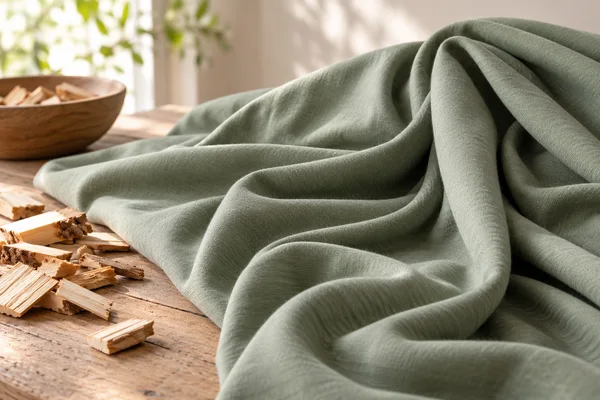
Modal yarn and fabric: regenerated cellulose, softness, wet strength, cotton blends and points to consider in knitwear samples.
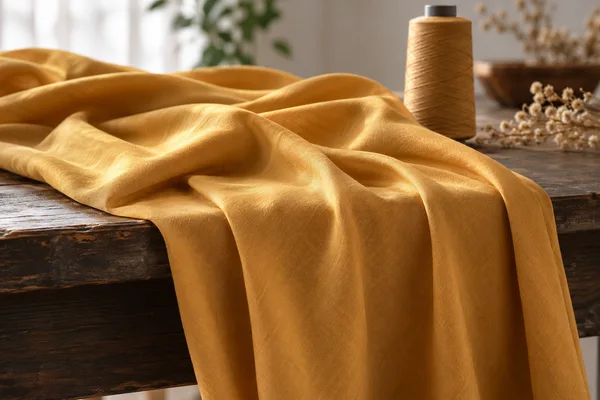
What are viscose and rayon? Yarn uses and properties
What is viscose yarn, and how does it relate to rayon? A practical guide to drape, moisture, blend selection and wash samples for cellulosic fibres.
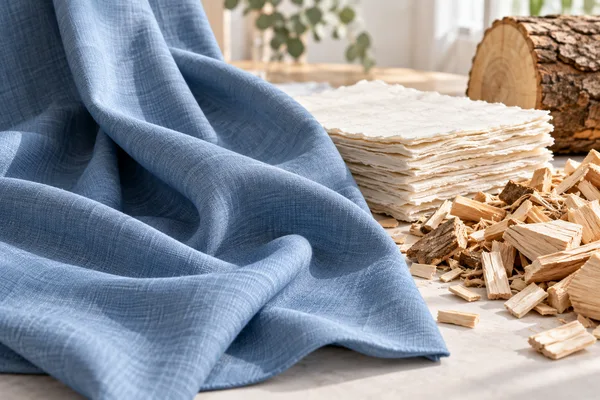
What is lyocell? A comparison with viscose and modal
Lyocell fibre and yarn properties: cellulose dissolution, moisture management, surface behaviour and the basics of choosing knitted fabrics.
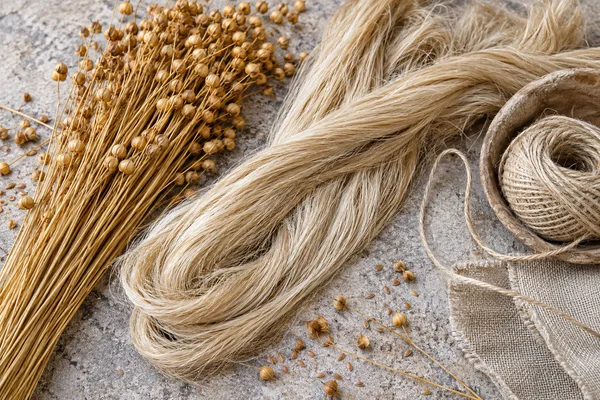
Flax and hemp yarn: exploring plant fibres
Flax, hemp and other plant fibres: how bast fibres differ from cotton, summer textile design, blends and sample selection.
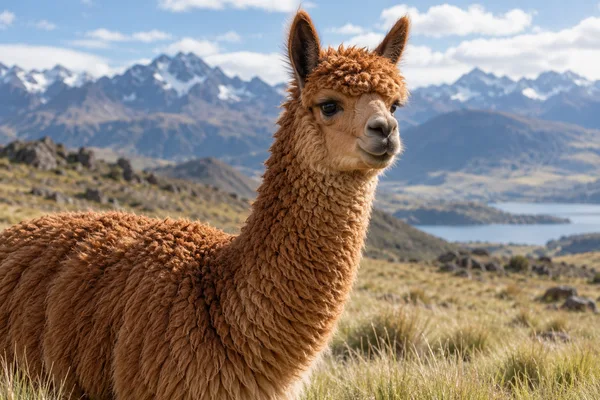
What is alpaca fibre? Choosing alpaca yarn and knitwear
Alpaca yarn, Huacaya and Suri fibres: questions about quality, fineness, blending and sweater sample evaluation.
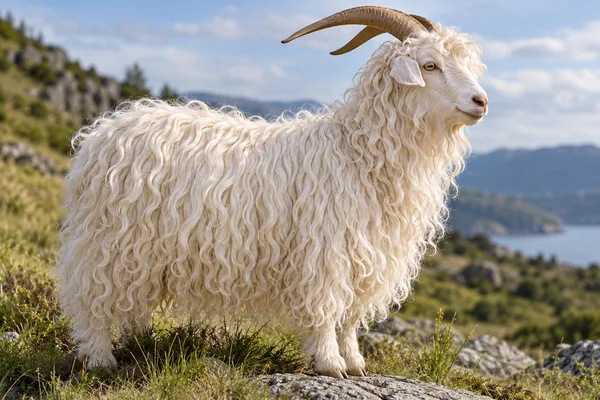
What is mohair? Mohair yarn and sweater texture
Mohair from the Angora goat, its distinction from angora, and sample selection for hairy knitwear and fancy yarn designs.
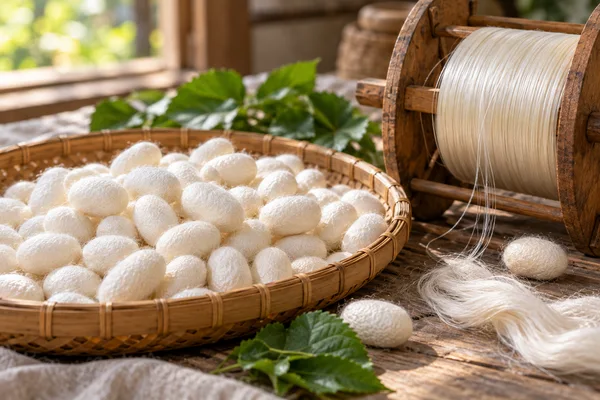
What is silk fibre? Silk yarn and wool blends
The origin of silk, filament versus spun yarn, and considerations for wool–silk blends and fine knitwear design.
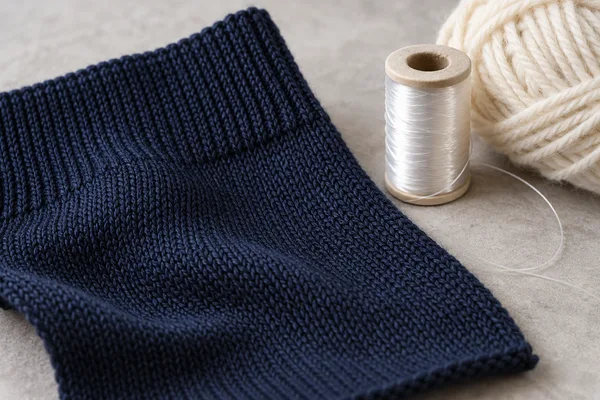
Polyamide (nylon) yarn: why is it used in wool socks?
Are polyamide and nylon the same? A practical guide to wool–nylon sock yarn, filaments versus staple fibres, durability targets and sample tests.
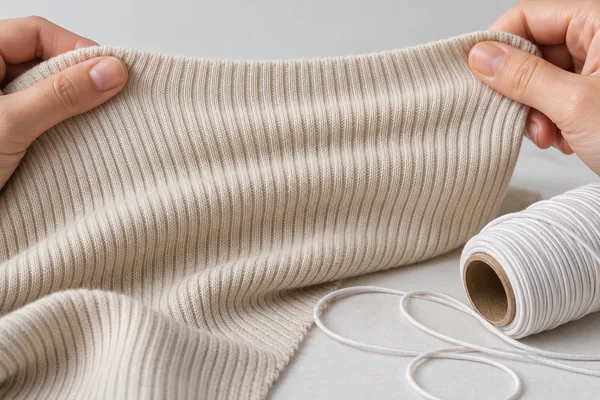
What is elastane? Choosing yarn for stretch and recovery
Elastane, spandex and elastic yarn terminology: stretch, permanent extension and care checks for socks, ribbing and knitted fabrics.
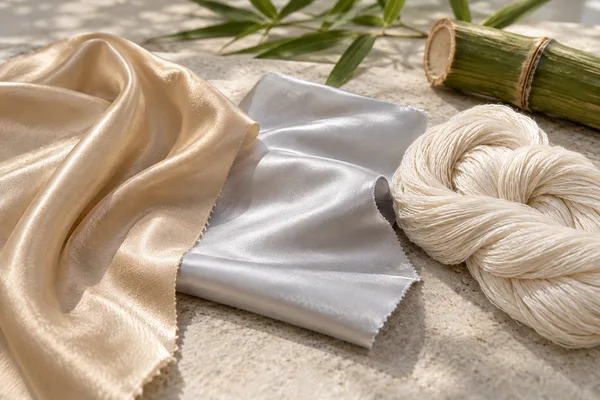
Cupro, acetate and bamboo: distinguishing cellulosic fibre names
Differences between cupro, acetate, triacetate and bamboo viscose: reading fibre descriptions correctly for linings and clothing textiles.
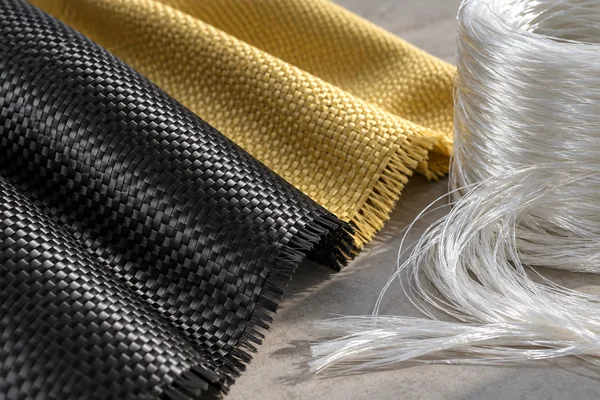
Technical fibres: aramid, carbon, glass and polyolefins
Technical textiles beyond clothing fibres: a basic classification of aramid, carbon, glass, polypropylene and high-performance polyethylene.