
Bark Yarn · Blog
What is mohair? Mohair yarn and sweater texture
Mohair from the Angora goat, its distinction from angora, and sample selection for hairy knitwear and fancy yarn designs.
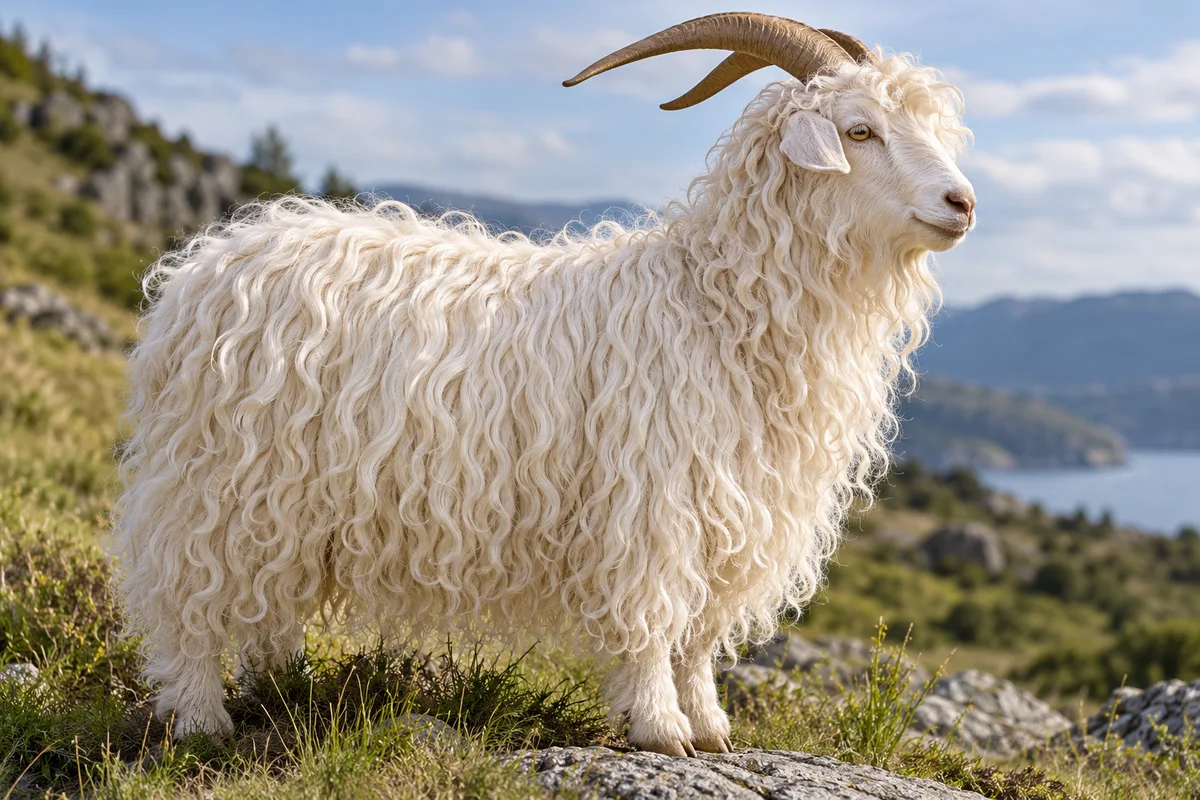
Distinguishing mohair and angora
Mohair is the fibre obtained from the Angora goat; it is also called tiftik in Turkish. It is not the same as angora rabbit fibre. Sheep’s wool, cashmere and mohair come from different animals, and these names should not be used interchangeably in orders.
Lustre and a hairy surface
Mohair is known for its natural lustre. A hairy knitwear surface, however, depends on yarn construction, blending and finishing, not just the fibre name. Different bulk and surface effects can be achieved with the same mohair percentage, so always support a reference photograph with a knitted sample.
What should a fancy yarn project specify?
Describe the desired hair length, how visible the ground should be and the stitch structure. Evaluate the shade card under real lighting; a hairy surface can change colour perception compared with a screen. Examine surface abrasion, seam edges and the intended worn silhouette together in the sample.
Quality and documentation
Include fineness, blend percentages and care instructions in the specification. A standard such as RMS does not automatically apply to all mohair products; documentation for the relevant product and supply chain must be verified. A blog article is not a declaration that Bark products are certified. Request a sample with your design and target handle to identify a suitable mohair blend.