Bark Yarn · Blog
Technical fibres: aramid, carbon, glass and polyolefins
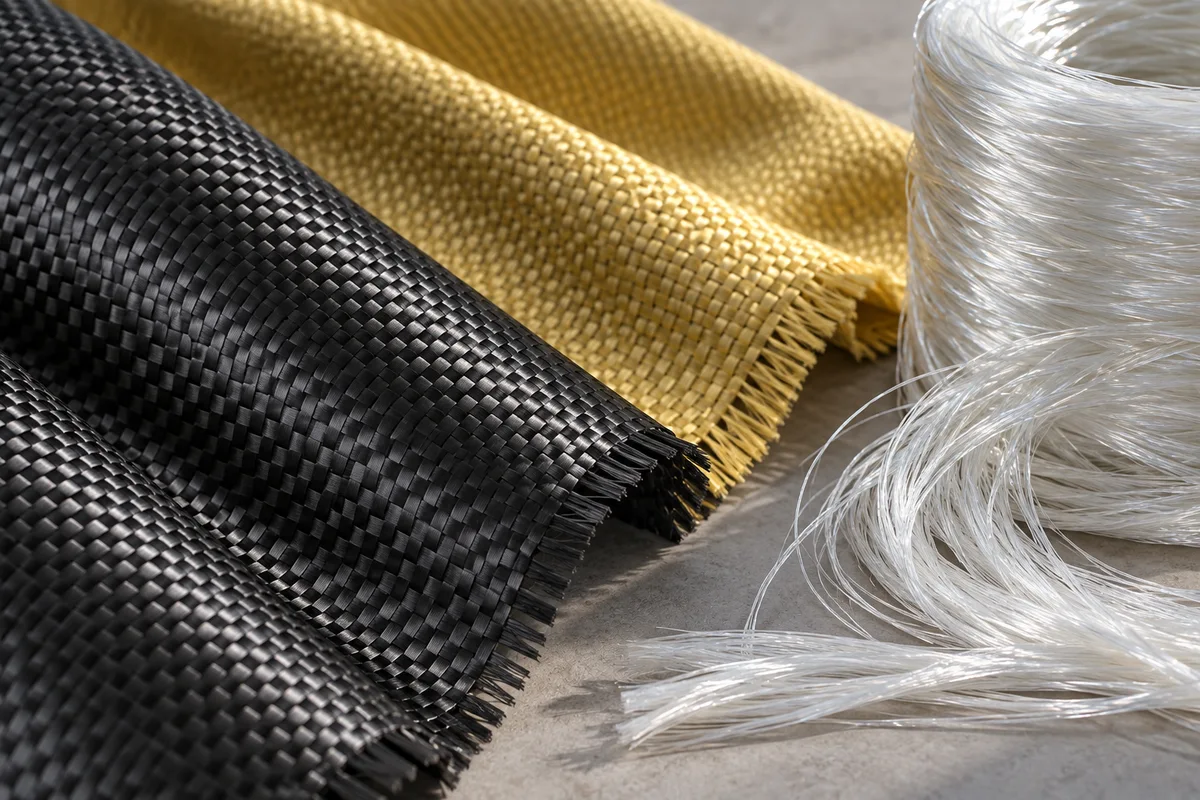
Technical textiles beyond clothing fibres: a basic classification of aramid, carbon, glass, polypropylene and high-performance polyethylene.
Why assess technical textiles separately?
In technical textiles, material selection addresses a specific function as well as appearance. Requirements such as heat resistance, load, abrasion or filtration are defined through separate tests. Not every grade within a fibre family delivers the same performance; a selection criterion used for sweater yarn cannot simply be transferred to a technical application.
Organic synthetic fibres
Polypropylene and polyethylene belong to the polyolefin family. Ultra-high-molecular-weight polyethylene, known as UHMWPE, is used in specialised technical applications. Aramid is another high-performance fibre family. ‘Synthetic’ is not a single quality class: ordinary polyester fabric and a technical aramid product cannot be judged against identical acceptance conditions.
Carbon and glass fibres
Carbon and glass fibres are distinct materials encountered in technical textiles and composites. Selection is not based only on yarn thickness or colour. Construction, the binder system and final operating conditions matter alongside the fibre. These materials are not presented as substitutes for ordinary wool sweater fibres.
A test file instead of a performance claim
First describe the application and measurable requirement, then request technical data, test reports and use limits for suitable materials. Protective or safety claims cannot rest on a fibre name alone. This general introduction in the Bark blog is not a declaration of technical-fibre sales, protective-equipment production or certified performance.