
Bark Yarn · Blog
What is wool, and why does it keep us warm?
Sheep’s wool, fibre crimp and insulation: why fineness, knit construction and care conditions must be considered together when choosing wool yarn.
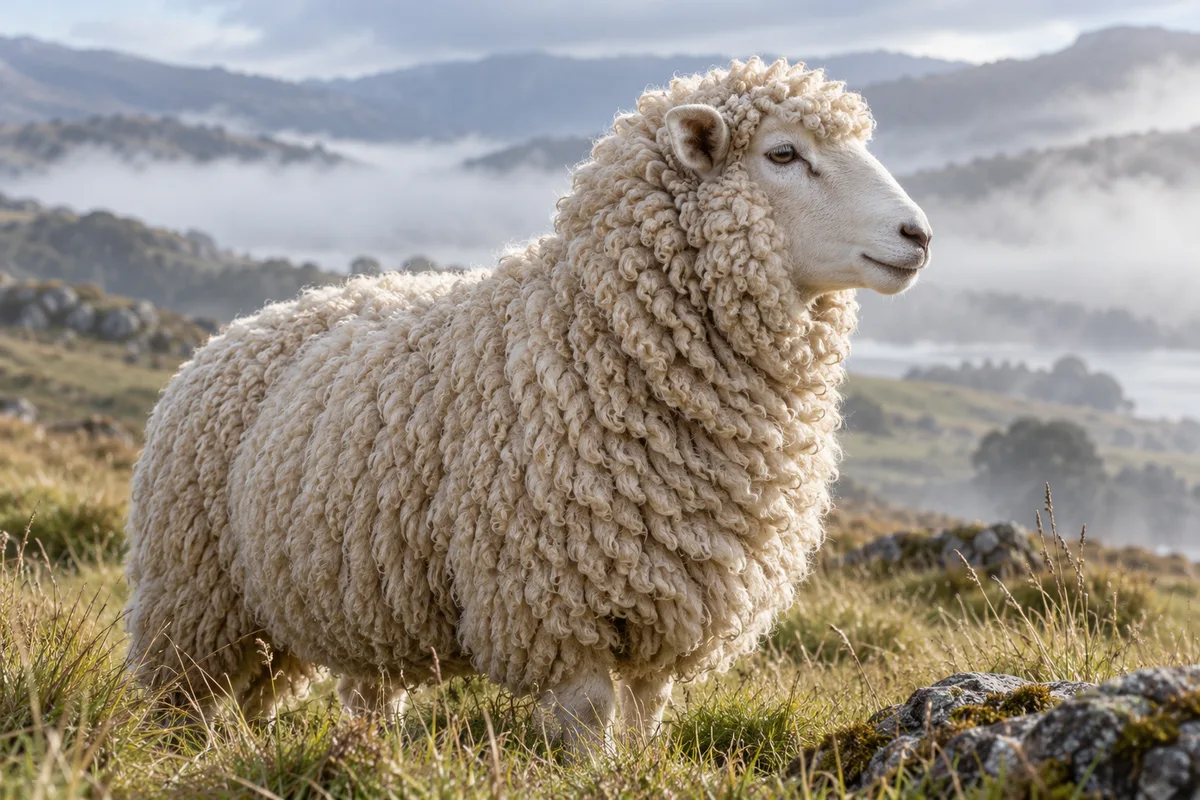
From sheep’s wool to yarn
Wool is a natural, keratin-based fibre obtained from sheep. After washing and preparation, the fibres are spun into yarn and then knitted or woven into fabric. Merino refers to a group of sheep breeds and their wool; not all sheep’s wool has the same fineness or handle.
How does wool retain warmth?
The natural crimp of the fibres and spaces within the knit help trap still air. This layer of air slows heat loss. Wool also exchanges moisture with its surroundings. However, a sweater’s warmth depends on more than its fibre name: fabric weight, stitch density, thickness, wind and clothing layers all affect the result. It is not accurate to claim that wool is the warmest material in every situation.
What should you ask about wool sweaters and socks?
For next-to-skin garments, discuss the intended handle first, then the yarn count and a knitting trial. Two yarns of the same count can differ in bulk and surface feel. Adding the season of use, target weight, garment measurements and care expectations to the order specification is more informative than simply asking for softness.
Care and sample evaluation
Follow the garment’s care label; wool content alone does not mean it is machine washable. Test the sample under the planned care conditions and record measurements before and after treatment. When requesting wool or wool-blend yarn from Bark Yarn, specify whether it is for sweaters, socks or weaving so that we can evaluate a suitable quality using a physical sample.