
Bark Yarn · Blog
Cotton fibre properties and yarn selection
What is cotton? The role of moisture absorption, fibre length and fineness in choosing cotton and wool–cotton blended yarns.
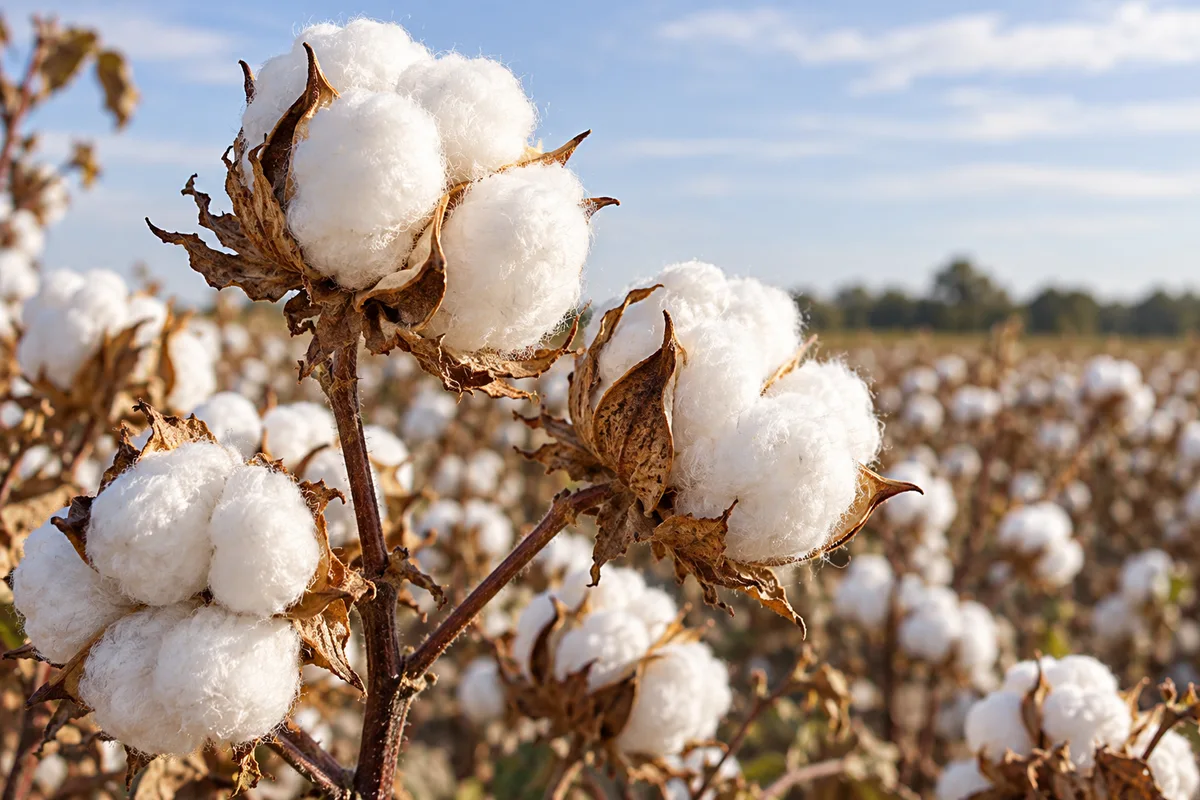
Cotton is a plant fibre
Cotton is a natural, cellulose-based fibre that grows around the seeds of the cotton plant. Its structure differs from animal protein fibres such as sheep’s wool. Alongside cotton percentage, quality characteristics including fibre length, fineness, maturity and strength matter when choosing yarn.
Moisture absorption and feel in use
Cotton’s fibre structure interacts with water and moisture. However, a fabric’s absorbency, drying behaviour and feel vary with preparation, yarn, knit construction and finishing. Claims that cotton always keeps you cool or that cotton garments never shrink cannot be inferred from the material name alone.
How to approach a wool–cotton blend
A blend is a distinct product-development choice combining the properties of two fibres; it should not be expected to retain the exact behaviour of both pure materials. Define the intended season, weight and surface feel. Comparing sample measurements before and after treatment helps clarify care expectations, particularly for sweaters and lightweight knitwear.
What should a technical enquiry include?
Specify the required cotton percentage, other fibres, yarn count and ply, colour, end use and order quantity together. If you require organic or recycled content, identify the necessary documentation separately; cotton content does not automatically provide these credentials. Contact Bark Yarn with your blend requirements to discuss suitable qualities and sample options.