Bark Yarn · Blog
What are viscose and rayon? Yarn uses and properties
What is viscose yarn, and how does it relate to rayon? A practical guide to drape, moisture, blend selection and wash samples for cellulosic fibres.
The source of viscose and the name rayon
Viscose is produced by processing cellulose, usually sourced from wood pulp, and re-forming it into fibre. The name rayon is also encountered in international trade; request the exact fibre designation on labels and technical documents. Its wood origin does not mean it shares the production process of flax or cotton obtained directly from plants.
What does it contribute to fabric?
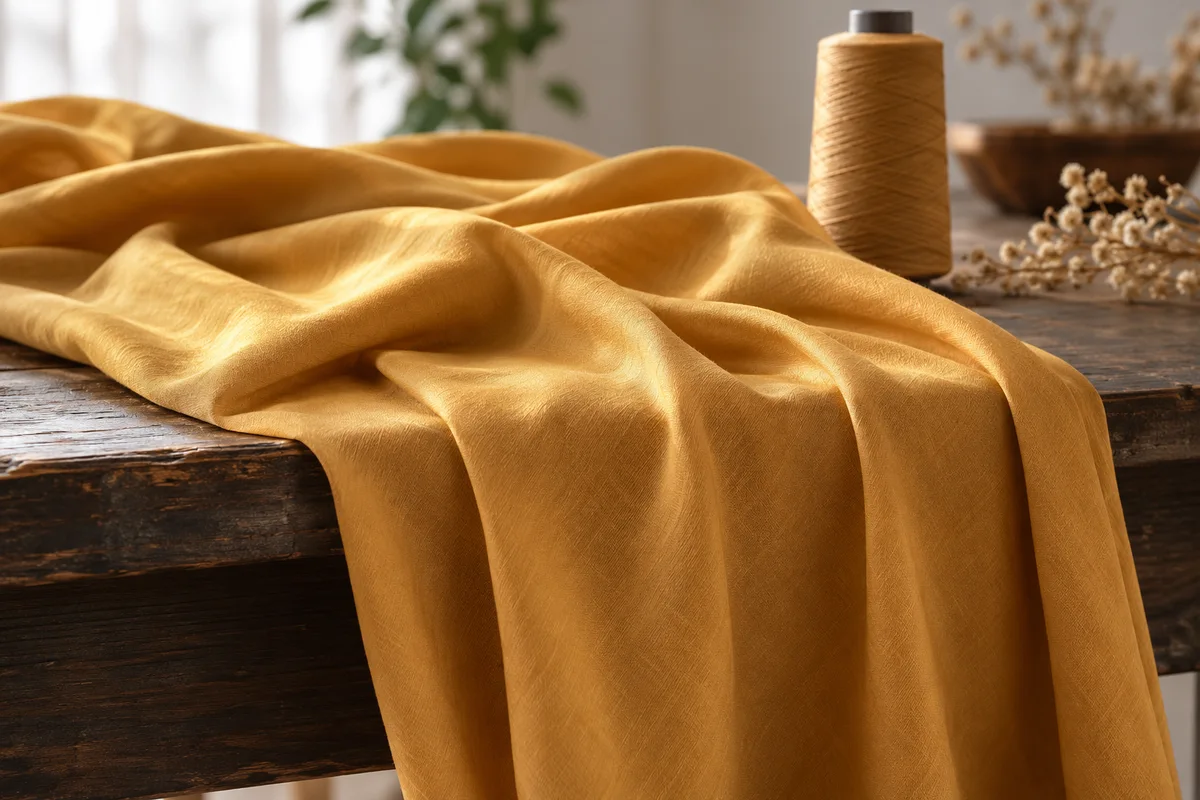
Viscose is a moisture-absorbing cellulosic fibre used in draping fabrics. Standard viscose, modal and lyocell should not be treated as one performance category; wet-processing and care behaviour in particular depend on fibre type. For a fine summer knit, surface, weight and stitch density are designed together.
A knitwear project checklist
For viscose-blend yarn, first describe the knitting machine and target sample. Include relaxation before cutting or sewing, width and length measurements after the planned wash, and checks of shape when hanging in the trial file. Compare dark and light colours under the same care conditions and record results for the supplied quality.
Distinguishing bamboo, modal and viscose
Viscose can be made from bamboo-derived cellulose, but this is not the same as mechanically separated bamboo fibre. Recording the source plant separately from the final fibre name is clearer. When considering modal or lyocell alternatives, compare the required handle and test results, not just the names.