Bark Yarn · Blog
What is cashmere? How it differs from wool
Which animal provides cashmere? Differences between cashmere and sheep’s wool, blend percentages, handle and points to check in knitwear samples.
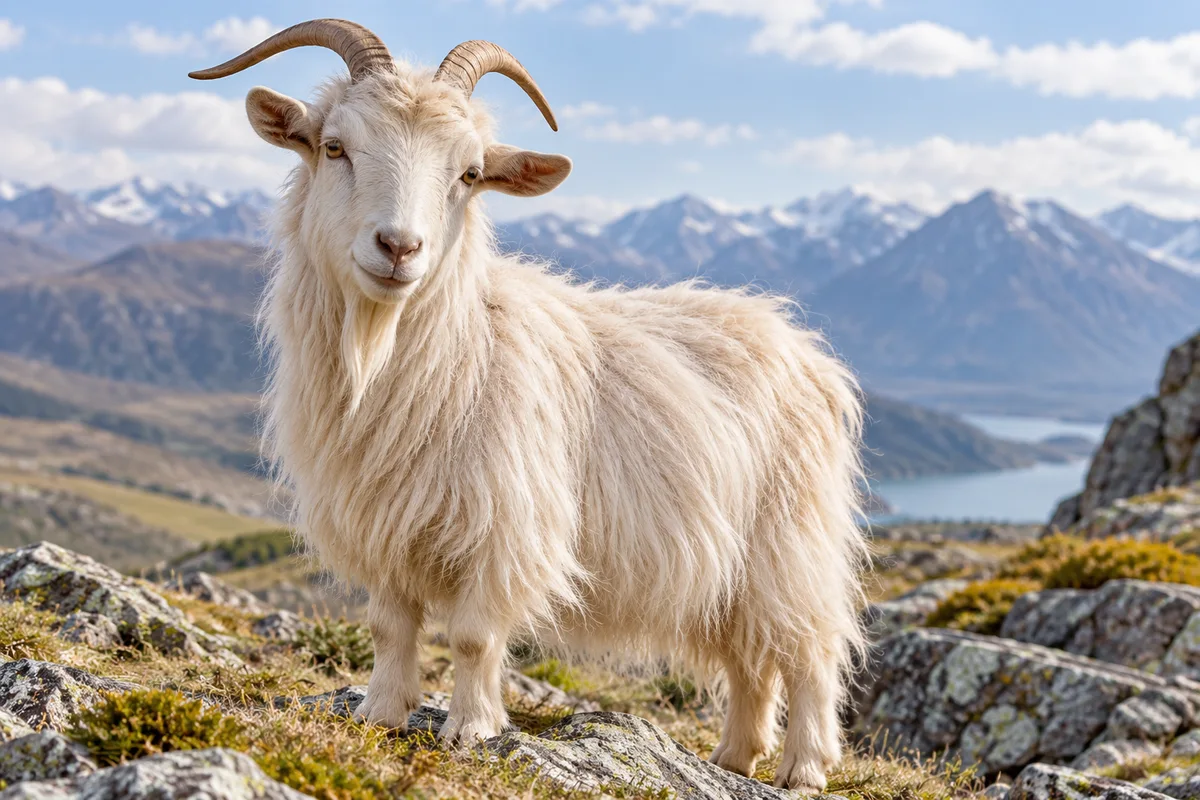
Cashmere is not sheep’s wool
Cashmere is obtained from the fine undercoat of cashmere goats. It does not come from the same animal as sheep’s wool. Fine fibres contribute to cashmere’s soft handle, but a yarn or sweater feeling soft does not prove that it contains cashmere. Composition should be verified through supply documentation and, where necessary, fibre analysis.
Pure cashmere or a wool–cashmere blend?
These are different product options. Do not compare two quotations as equivalent qualities without knowing their cashmere percentages. Alongside the fibre blend, the quotation should specify count, ply, twist, colour and finishing. A handle description such as ‘cashmere touch’ must not be confused with actual cashmere content.
Planning samples for sweater development
First define the target price range and intended use: a fine base layer and a bulky winter sweater require different development decisions. Evaluate surface appearance, handle, dimensional change and expected pilling in the knitted sample. These must be assessed for the particular design and yarn; the fibre name alone cannot provide a guarantee.
Preparing a technical enquiry with Bark
For Bark Yarn’s cashmere-containing options, share your required blend, count, ply and colour. Keep the approved sample as the production reference. Exact composition, available counts, order quantity and lead time are confirmed for each quality. This article does not imply that all Bark products are pure cashmere.